Youth-led framework addresses teens’ mental health and social media use
Today’s teenagers may find themselves at a crossroads:


In 2025, we saw meaningful impact for young people around the world — and we’re just getting started. Join our Clinton Global Initiative Commitment to Action to put teens at the center of the future AI.
We’re mobilizing 10 million people by 2031. Explore the progress we’re making toward a future where young people shape technology, not the other way around.


Friends and supporters,
As I look back on 2025, I am filled with the joy that only true impact can bring. What began as a bold idea–to put teens at the center of reshaping the digital world–has turned into a movement that is not only growing, but accelerating in ways I once only dreamed about back in my dorm room when this was purely an idea on paper.
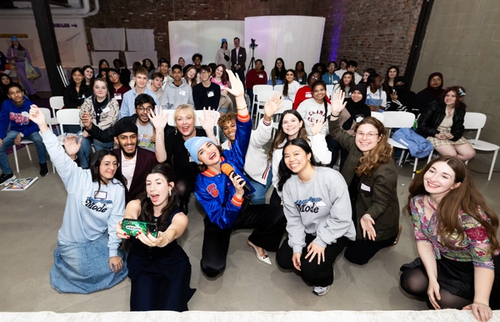
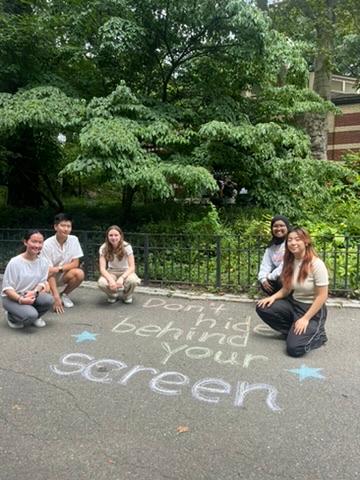
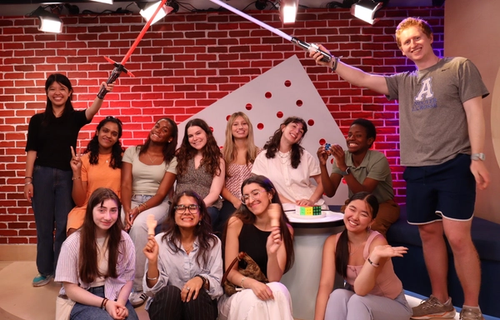
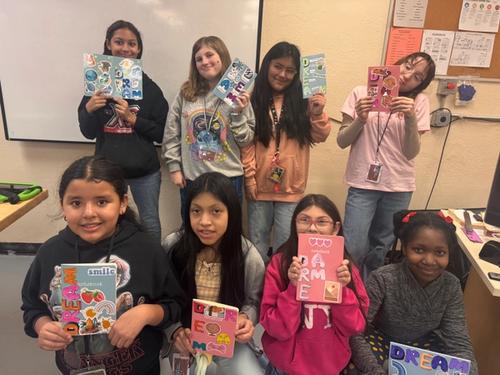
Last fall, #HalfTheStory made history in New York. Together with Governor Kathy Hochul, we launched the New York State Teen Tech Council and hosted our first-ever statewide Training Day in NYC. Over 50 teen leaders from Buffalo to Long Island came together for a screen free pep rally, storytelling in our Listening Lab, and a full day of programming devoted to turning their spark into action. And the best part? Announcing our $300,000 Phone Free Fund, which will distribute grants directly to teens so they can redesign the digital culture of their own schools. To witness their creativity, courage, and clarity of vision was nothing short of life-changing.
I often say that teens are not the problem—they are the solution. And this year proved it. Their ideas are shaping the future of digital wellness, from reimagining school spaces to building joyful, screen-free traditions.
What gives me the most hope is the momentum and potential for scale. From new partnerships with Girl Scouts and YMCA, to groundbreaking research underway with Georgetown’s Thrive Center, we are building the evidence base, the infrastructure, and the blueprint for a national digital wellness movement for teens, by teens.
The future is bright with less blue light.




Larissa May
Founder & Executive Director
1M
students reached in all 50 states through our partnership with Discovery Edu
100,000+
students engaged through our digital wellness curriculum, Social Media U
>200
youth leaders trained with #HalfTheStory in 2025-2026
23%
of youth participants saw significant gains in digital flourishing
97%
of participants say they improved their relationship with technology
87%
of participants plan to engage in local advocacy
#HalfTheStory has built the largest body of adolescent digital flourishing research based on:
Today’s teenagers may find themselves at a crossroads:
Our methodology includes teen-informed and co-designed measures, alongside mixed-methods evaluation that value teen voice and evaluate real-world implementation at scale. This growing evidence base positions #HalfTheStory to shape national standards for how digital wellbeing is defined, measured, and scaled.


What happens after a school goes phone free?




We believe digital wellness is a right, not a privilege. Technology now functions as a “super” social determinant of public health for young people. It shapes their sleep, mental health, social relationships, civic engagement, and identity development.
Yet most digital wellbeing efforts still:
#HalfTheStory exists to change that.
By partnering with trusted heritage institutions that already reach millions, #HalfTheStory can continue to scale impact and build trust with all stakeholders. Our strategic partners also amplify our teens' voices in designing tomorrow's tech landscape. These partnerships allow our research-backed innovation to move faster, farther, and more equitably.










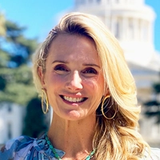


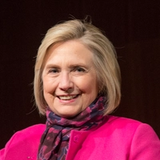


In 2026, we have been deepening what works and scaling what matters — focusing on AI, advancing youth leadership, and expanding systems-level impact.
These priorities reflect our Clinton Global Initiative Commitment to Action to mobilize 10 million people in the next five years; a national, youth led movement that is grounded in research, equity, and real-world change. Won’t you join us?